
Introduction: Selecting the Right Butterfly Valve
Ductile iron and stainless steel are two common butterfly-valve body materials, each with distinct advantages. Ductile iron is an economical option for general water systems and can provide good durability when the valve is properly coated and specified. Stainless steel is often better suited to higher temperatures or more corrosive environments. The fluid and service conditions should guide material selection to support efficient operation and avoid premature failure. Pango Valve System Inc can provide application-specific selection advice.
Advantages and Applications of Ductile-Iron Butterfly Valves
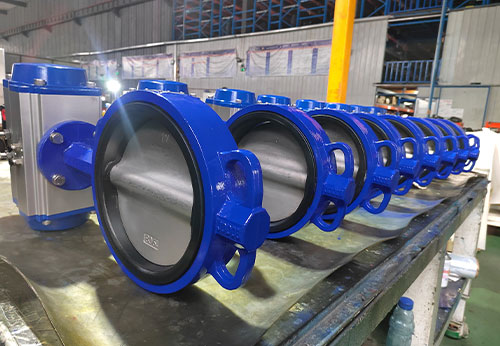
Ductile-iron butterfly valves are widely used in water systems because of their mechanical strength and reliable performance. With suitable coatings and seat materials, they can serve cold water, hot water, and various noncorrosive liquids. Typical applications include water supply, irrigation, and wastewater treatment. They can be specified for higher pressure classes according to their design and rating, and their quarter-turn operation provides smooth opening and closing with relatively low flow resistance.
In industrial applications, particularly wastewater treatment and conveyance, ductile iron supplies the required strength and durability. Appropriate surface treatment helps resist normal wear and corrosion and extend service life. A properly specified ductile-iron valve from Pango Valve System Inc can support dependable operation in demanding conditions.
Characteristics and Applications of Stainless-Steel Butterfly Valves
Stainless-steel butterfly valves are used in demanding industrial environments where elevated temperature or corrosion resistance matters. Applications include chemical processing, petroleum, and food production. Compared with ductile iron, stainless steel generally offers stronger oxidation resistance and can be specified for a range of temperatures and pressures. Pango Valve System Inc designs its stainless-steel valves for practical operation and maintenance. Depending on the grade, seat, and other wetted materials, they can handle selected corrosive liquids and gases.
How the Process Fluid Affects Valve Selection
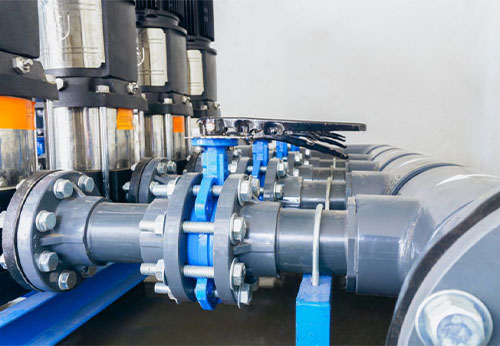
The process fluid is a primary selection criterion. Ductile-iron valves are commonly used for cold water and other general-service fluids when their coatings and wetted components are compatible. Stainless steel may be preferable for higher-temperature or more corrosive service, but compatibility with acids, alkalis, and other chemicals depends on the specific grade and concentration. Solids content must also be considered: particle-laden fluids may require a different seat material and valve geometry. Matching the entire wetted construction to the fluid helps protect safety and operating efficiency. Pango Valve System Inc offers configurations for different application requirements.
Why Budget Matters in Butterfly-Valve Selection
Material choice has a significant effect on cost. Ductile-iron valves are generally more economical, while stainless-steel valves command a higher initial price in exchange for corrosion and temperature capabilities that may be necessary for the duty. Evaluate the required number of valves, expected service life, maintenance, and replacement costs rather than purchase price alone. Reliable products and technical support from Pango Valve System Inc can help reduce lifecycle costs by limiting avoidable failures and repairs.
Explore more practical valve knowledge from Pango Valve System Inc.
← Back to Knowledge Center