
Butterfly valves are common in chemical plants because they are compact, operate quickly, offer relatively low flow resistance, and can be automated. Whether to specify a metal-seated or resilient-seated design depends on the process fluid, temperature, pressure, solids content, and required leakage class. Neither design is universally superior; the operating conditions determine the better fit.
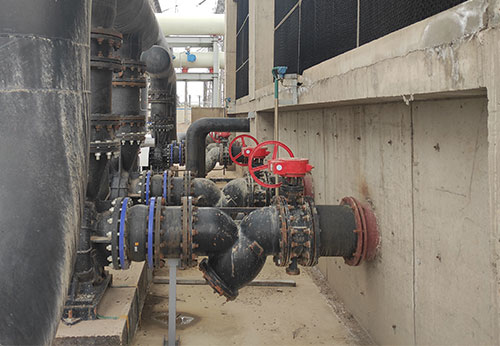
A resilient-seated butterfly valve combines a metal disc with an elastomeric or polymer seat, such as EPDM, FKM, or PTFE. Compression of the seat provides tight shutoff, often with low operating torque and straightforward seat replacement. These valves can suit clean, particle-free fluids at moderate temperature and pressure, including certain dilute acids or alkalis, clean process water, and selected solvents. PTFE seats are often considered for corrosion-resistant service in fine-chemical and pharmaceutical processes, subject to a compatibility review. The seat's temperature and wear limits are critical. Typical rubber seats may be limited to around 120°C in continuous service, while PTFE designs are commonly limited to around 180°C, depending on the manufacturer and configuration. Crystals, slag, or catalyst particles can abrade the sealing surface and cause leakage. High-temperature steam and heat-transfer oil require a valve specifically rated for those services.
Metal-seated butterfly valves generally use metal-to-metal sealing. Triple-offset designs often have hard-faced sealing surfaces and can cover a wider temperature range, higher pressure classes, and more abrasive or demanding services. They are commonly considered for hot heat-transfer oil, high-temperature flue gas, particle-laden slurries, reactor off-gas, medium- to high-pressure oil and gas, and crystallizing fluids. Their wear resistance can support continuous operation where shutdowns are costly. Traditional metal-seated valves may allow minor leakage at low differential pressure, but precision-machined triple-offset designs can achieve much tighter shutoff when properly specified and tested. They usually cost more, and repair of a damaged sealing surface is more involved. Electric or pneumatic actuation is common.
For clean, particle-free corrosive fluids at moderate temperature where very tight shutoff is required, a compatible resilient-seated valve is often appropriate. For high temperature or pressure, solids, erosion, or crystallization, consider a metal-seated design. Complex chemical duties require more than a basic data sheet: review chemical compatibility, operating frequency, hazardous-area requirements, and the specified leakage class. Pango Valve System Inc offers resilient-seat options including EPDM, FKM, and PTFE, plus customized triple-offset metal-seated designs with electric or pneumatic actuation. Application-specific selection, pressure testing, and delivery planning help reduce leakage and unplanned shutdown risk.
Valve selection is a safety-critical part of chemical pipeline design. An unsuitable valve can cause product loss and create operational hazards. Define the service envelope, verify seat and body compatibility, and specify a valve that meets the process and leakage requirements for safe, stable operation.
Explore more practical valve knowledge from Pango Valve System Inc.
← Back to Knowledge Center