
Butterfly valves are important flow-control components in modern pipeline systems. They regulate or isolate water, air, and other compatible fluids and can support safe, stable operation. Their compact, lightweight construction and quarter-turn action make them attractive where space and operating speed matter. Correct valve design and selection influence system efficiency, sealing performance, and reliability. Understanding the service conditions helps operators plan and maintain pipeline systems more effectively.
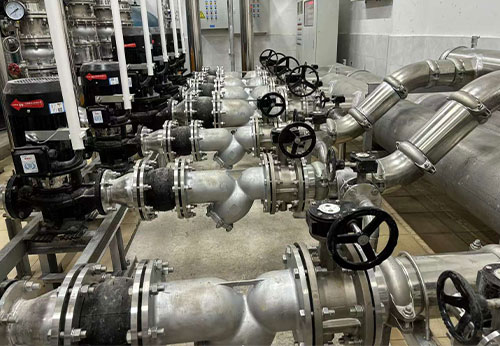
Basic Functions and Applications
A butterfly valve controls flow by rotating a disc in the pipe. It can provide rapid on/off operation and, when properly specified, throttling. Its compact structure is convenient in restricted spaces, while appropriate seat and pressure-class selection helps prevent leakage. Butterfly valves are used in water and air systems as well as food processing, chemical plants, and power generation. The right design depends on the fluid, duty, and required level of control.
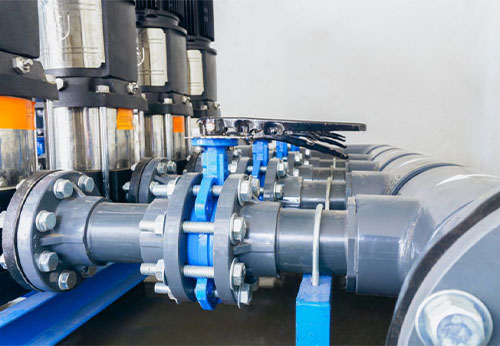
Choosing the Right Butterfly Valve
Assess the fluid and operating conditions first, including temperature, pressure, corrosion potential, and solids content. Standard designs may suit common water and air services; aggressive fluids may require special body, disc, and seat materials. Confirm valve size and end connections for the pipeline, then decide whether the duty is isolation or modulation. Pango Valve System Inc offers multiple configurations for different applications. A technical review helps ensure the selected valve meets the actual service requirements.
Examples in Water Pipelines
In water pipelines, butterfly valves help control flow and isolate sections for maintenance. Municipal networks may use them on mains and branches where compact installation and convenient operation are important. Their relatively light weight can simplify installation and servicing. With appropriate sizing and placement, they can support efficient water conveyance and stable network operation. Pango Valve System Inc supplies valve options for these duties.
Design Principles for Efficient Pipelines
Sealing performance and pressure capability should be built into the valve specification through suitable materials, construction, and testing. Operating speed also matters: opening or closing too quickly can create pressure transients, while overly slow operation may not meet control needs. Select and tune the actuator for the required response and flow-control performance.
Correct sizing is equally important. A valve that matches the pipework and flow conditions can limit avoidable pressure loss and pumping energy. Different services may call for different valve designs. Applying these principles improves pipeline efficiency while balancing operating cost and reliability.
Explore more practical valve knowledge from Pango Valve System Inc.
← Back to Knowledge Center